
CHENJIA GARMENT · FABRIC KNOWLEDGE
Choose the right fabric.
Build a better garment.
A practical guide to fabric composition, weight, stretch and construction for activewear, T-shirts, hoodies and everyday apparel.

Fabric makes
the difference.
Hand feel · Weight · Performance · Finish
START WITH THE MATERIAL
Good product decisions
begin with good fabric.
Fabric affects how a garment feels, fits, performs and wears over time. Our team helps compare material options against your product design, target customer, price point and production requirements.
01 / MATERIAL LIBRARY
Explore common
apparel fabrics.
Different structures create different results. Start with the fabric family that best matches your product.
01
Cotton Jersey
SOFT / BREATHABLE
A versatile single-knit fabric commonly used for T-shirts and casual tops. Available in different cotton and cotton-blend options.
COMMON USE · T-SHIRTS / CASUAL TOPS

02
French Terry
LOOPBACK / COMFORT
Smooth on the face with looped yarns on the reverse. A popular choice for sweatshirts and relaxed sets.
COMMON USE · SWEATSHIRTS / SETS

03
Performance Knit
STRETCH / MOVEMENT
Often made with polyester or nylon and elastane blends. Choose based on stretch, recovery, moisture management and intended activity.
COMMON USE · LEGGINGS / TRAINING TOPS
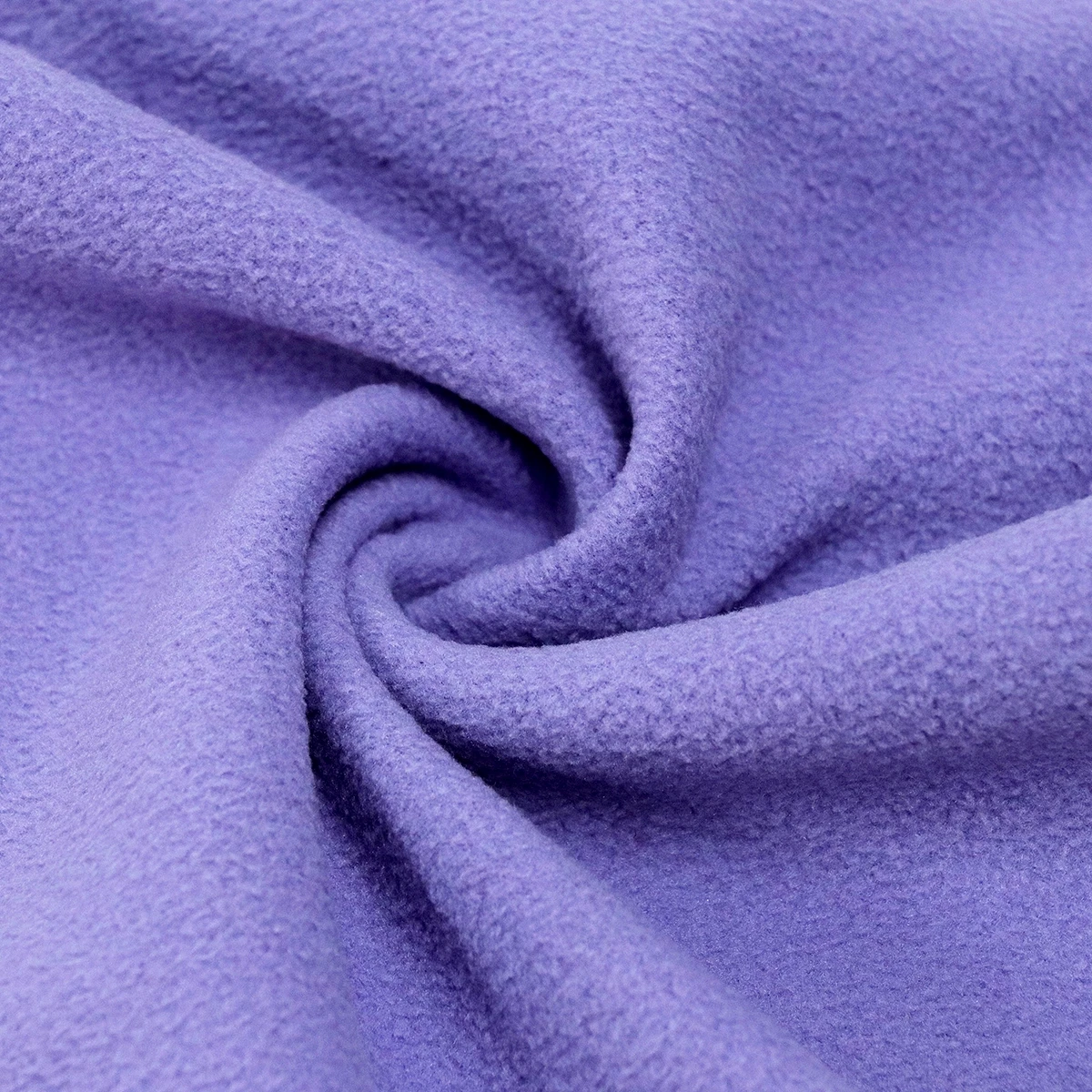
04
Brushed Fleece
WARM / SOFT
A brushed surface creates a softer, warmer hand feel. The exact warmth and weight depend on the construction and finishing.
COMMON USE · HOODIES / JOGGERS

05
Rib Knit
TEXTURE / RECOVERY
Recognized by its raised rib structure. Often selected for fitted tops, neckbands, cuffs and garment details.
COMMON USE · TANKS / COLLARS / CUFFS
Fabric appearance varies by yarn, gauge, composition, dyeing and finishing. Final selection should be confirmed with physical swatches.
02 / FABRIC WEIGHT
Understand
GSM.
GSM means grams per square metre. It describes fabric weight, but it does not tell the whole story: fibre, knit structure and finishing also affect drape, warmth and performance.
Ranges are general starting points, not fixed standards. Suitable GSM depends on the fabric type and garment design.
03 / MATCH FABRIC TO PRODUCT
Choose for the
way it will be worn.
Use the product’s purpose as your starting point, then refine the fabric with your target fit, finish and cost.
Yoga & Activewear
Prioritize stretch, recovery, opacity, comfort and moisture-management requirements.
Performance knits
T-Shirts
Consider softness, surface appearance, drape, shrinkage and print compatibility.
Cotton jersey / blends
Hoodies & Sweatshirts
Compare loopback or brushed interiors, fabric weight, warmth and shape retention.
French terry / fleece
Polo Shirts
Look at surface texture, breathability, collar stability and the intended smart-casual look.
Piqué / jersey knits
04 / FROM SWATCH TO BULK
Make the fabric
decision with confidence.
A clear material approval process helps keep development and production aligned.
Share your product brief
Tell us the garment type, target hand feel, performance needs, reference and target price.
Review fabric options
Compare composition, GSM, construction, color and finishing options.
Test and sample
Review physical swatches and garment samples against the agreed requirements.
Approve before bulk
Confirm the selected fabric and specifications before bulk production begins.
05 / FABRIC QUESTIONS
What should
you know?
Need help choosing a material? Start with these common questions.
Does a higher GSM always mean better quality?
No. GSM describes weight, not quality by itself. Fibre quality, yarn, construction, finishing and testing all matter.
Can you source custom fabric compositions?
Fabric options can be reviewed according to your target composition, product requirements, quantity and availability.
Can I request fabric swatches before sampling?
Yes. Share your product brief and reference requirements so the team can review suitable swatch options.
Will the fabric shrink or change after washing?
Performance depends on fibre and finishing. Discuss shrinkage and colorfastness requirements during development and confirm them through appropriate testing.
LET’S DEVELOP YOUR NEXT COLLECTION
Looking for the right
fabric for your product?
Send us your reference, target composition or product idea. Our team can help review suitable fabric directions.

